
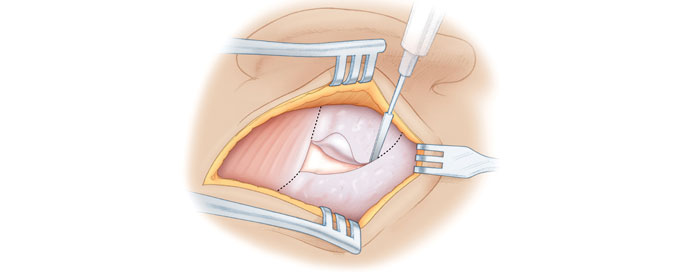
Cochlear implant surgery is a highly specialized procedure designed to restore hearing in individuals with severe to profound hearing loss. This innovative surgical intervention involves the implantation of a small electronic device, the cochlear implant, which bypasses damaged parts of the inner ear to directly stimulate the auditory nerve. The surgery is typically performed under general anesthesia and involves several key steps.
Firstly, a small incision is made behind the ear to access the mastoid bone. The surgeon then creates an opening in the cochlea, the spiral-shaped structure of the inner ear responsible for hearing. The electrode array of the cochlear implant is delicately threaded into the cochlea, positioning it to stimulate the auditory nerve fibers. The receiver-stimulator, which processes and transmits signals from the external sound processor, is securely placed under the skin behind the ear.
Post-surgery, a healing period is essential before the external components are activated. Once activated, the cochlear implant converts sound into electrical signals, which are transmitted to the auditory nerve and interpreted by the brain as sound. This groundbreaking technology has revolutionized the lives of individuals with profound hearing loss, offering them the opportunity to experience or regain a sense of hearing.

