
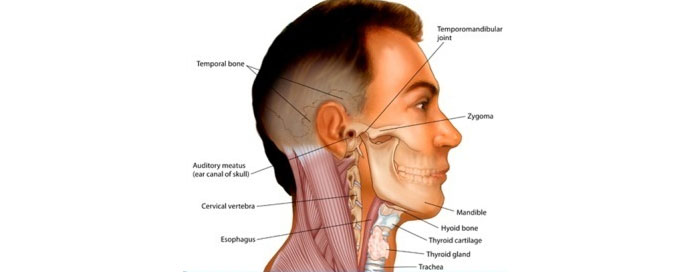
Head and neck surgeries encompass a diverse range of procedures aimed at addressing various medical conditions affecting the structures in the head and neck region. These surgeries may involve intricate and delicate techniques to treat issues related to the skull, face, throat, and other anatomical components. Here are some common types of head and neck surgeries.
Head and Neck Cancer Surgery: Surgical intervention is often a primary treatment modality for head and neck cancers. Procedures may involve the removal of tumors, affected lymph nodes, or portions of the affected organs. Reconstructive surgery may be performed to restore form and function after tumor removal.
Thyroid and Parathyroid Surgery: Thyroidectomy involves the removal of part or all of the thyroid gland and may be necessary for conditions such as thyroid cancer, goiter, or hyperthyroidism. Parathyroid surgery addresses disorders of the parathyroid glands, such as hyperparathyroidism.
Skull Base Surgery: These surgeries target conditions affecting the base of the skull, including tumors, vascular malformations, and abnormalities. Surgical approaches may involve intricate procedures to access and treat lesions in this complex region.
Sinus Surgery: Functional endoscopic sinus surgery (FESS) is a common procedure to address chronic sinusitis and nasal polyps. It involves the use of an endoscope to remove obstructions, clear sinuses, and improve drainage.
Craniofacial Surgery: This specialized field involves surgical correction of congenital or acquired deformities of the skull and face. It is often performed in collaboration with other specialists, such as plastic surgeons and neurosurgeons.
Maxillofacial Surgery: Procedures in this category address issues related to the jaw, face, and neck. Surgeries may include corrective jaw surgery (orthognathic surgery) for facial skeletal abnormalities, as well as procedures to treat fractures and trauma.
Neck Dissection: This surgery involves the removal of lymph nodes from the neck and is commonly performed in cases of head and neck cancer to assess and manage the spread of cancer.
Carotid Endarterectomy: This procedure is performed to remove plaque buildup from the carotid arteries, reducing the risk of stroke in individuals with atherosclerosis.
Salivary Gland Surgery: Surgical intervention may be necessary to address conditions affecting the salivary glands, such as the removal of stones causing obstruction or the excision of tumors.
Tracheostomy: In certain medical situations, a tracheostomy may be performed to create an opening in the windpipe, allowing for direct access to the airway. This is often done in cases of severe airway obstruction.

