
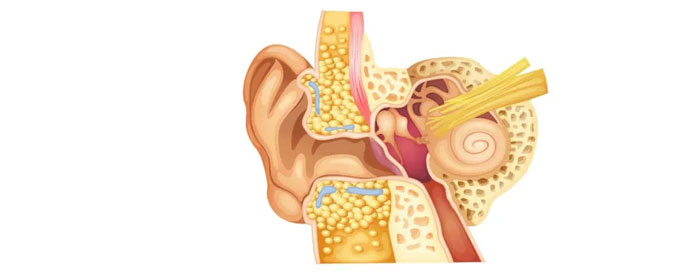
Neuro-otology is a specialized branch of medicine that focuses on disorders of the inner ear and their neurological connections. When it comes to evaluating vertigo—a sensation of spinning or dizziness—neuro-otologists play a crucial role in diagnosing and managing conditions that affect the vestibular system. Here's an overview of the vertigo evaluation process in neuro-otology:
Patient History: The evaluation typically begins with a comprehensive patient history. The neuro-otologist will inquire about the onset, duration, and characteristics of the vertigo, as well as associated symptoms such as hearing loss, tinnitus, or nausea. Information about any recent head injuries, medications, or systemic illnesses is also gathered.
Physical Examination: A thorough physical examination, including a neurological examination and specific tests for the vestibular system, is conducted. The neuro-otologist may perform maneuvers such as the Dix-Hallpike test or the head impulse test to assess the function of the inner ear and identify specific patterns of nystagmus (involuntary eye movements).
Audiological Testing: Hearing assessments, such as audiometry and tympanometry, may be conducted to evaluate any associated hearing loss or abnormalities in the middle ear.
Vestibular Function Testing: Various vestibular function tests may be employed to assess the integrity of the vestibular system. This can include caloric testing, rotational chair testing, and videonystagmography (VNG) to measure eye movements in response to specific stimuli.
Imaging Studies: In some cases, imaging studies such as magnetic resonance imaging (MRI) may be ordered to rule out structural abnormalities in the inner ear or the central nervous system, especially if there are concerns about tumors or other lesions.
Electrophysiological Testing: Evoked potential tests, such as auditory brainstem response (ABR) or vestibular evoked myogenic potentials (VEMP), may be used to assess the electrical activity of the auditory and vestibular nerves.
Blood Tests: Blood tests may be performed to check for metabolic or systemic conditions that could contribute to vertigo, such as diabetes or thyroid disorders.
Response to Treatment: Sometimes, a diagnostic and therapeutic trial may be initiated to observe how a patient responds to specific medications or interventions. This can provide valuable information about the likely underlying cause of vertigo.

